SlimeVR Full-Body Tracking in Gaming: Why VRChat Feels Better With FBT
Table of contents
Virtual reality has always promised presence, but most VR setups still leave part of the player behind.
The headset tracks your head.
The controllers track your hands.
Everything else? Usually guessed by software with the confidence of a weather app.
That is where SlimeVR becomes interesting.
SlimeVR is an open-source full-body tracking system designed to bring more of your real movement into virtual spaces. Instead of relying on external base stations, cameras, or expensive optical tracking setups, SlimeVR uses wearable IMU sensors and software to estimate body movement wirelessly.
For gamers, the appeal is simple: your avatar stops feeling like a floating torso with hands.
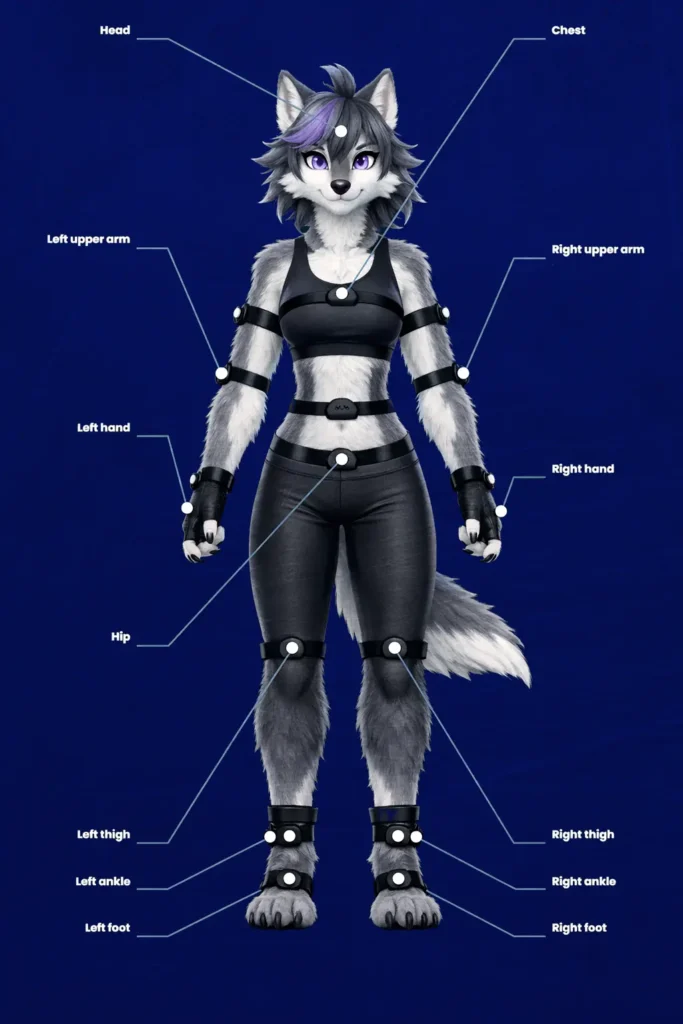
In games and social platforms that support full-body tracking, SlimeVR-style tracking can bring movement from your legs, waist, chest, elbows, ankles, and feet into VR. That means your avatar can sit, dance, kick, lean, crouch, shift weight, and move with more personality.
VRChat is one of the clearest examples. Full-body tracking makes avatars feel more expressive, believable, and alive.
What SlimeVR Does Differently
Traditional full-body VR setups often use external base stations and dedicated trackers. These setups can be very accurate, but they can also be expensive and require more room setup.
SlimeVR takes a different approach.
Instead of being watched by base stations, SlimeVR-compatible trackers use IMU sensors to estimate body movement. The trackers are worn on different parts of the body, then connected through software to help your avatar move more naturally.
That makes SlimeVR-style tracking especially attractive for players who want full-body immersion without turning their room into a NASA calibration chamber.
It is also open-source, which matters more than people think. Open-source hardware and software allow the community to build, modify, improve, and adapt the system instead of waiting for one company to decide what features deserve attention.
For tinkerers, DIY builders, budget-conscious VR users, and people who just want affordable full-body tracking, that flexibility is a major part of the appeal.
Why Full-Body Tracking Changes Gaming
Full-body tracking is not just about seeing your legs move.
It changes the feeling of being inside VR.
With normal headset-and-controller tracking, your avatar can feel disconnected from you. Your upper body moves, but the rest is estimated. That can work for basic gameplay, but in social VR, dancing, roleplay, content creation, and avatar performance, body language matters.
Full-body tracking adds more of you into the world.
You can lean into a conversation.
Sit naturally.
Dance with rhythm.
Kick, crouch, stretch, and pose.
Use your avatar like a body instead of a puppet.
That extra layer of embodiment changes the psychology of VR. You are not just controlling an avatar. You are inhabiting one.
Where SlimeVR Shines Most
SlimeVR-style tracking is strongest in experiences where body language matters.
That includes:
- VRChat
- social VR worlds
- dance communities
- roleplay spaces
- virtual clubs
- VTubing
- motion capture
- avatar showcases
- creator content
A player dancing in VRChat, performing in a virtual club, or simply lounging with friends can feel far more present when their body movement is represented instead of guessed.
For creators, this opens a lot of doors. Games can become more physical, social platforms can become more expressive, and virtual performances can feel less mechanical.
This is where full-body tracking starts to feel less like a tech accessory and more like part of your digital identity.
The Honest Tradeoff: Drift and Calibration
SlimeVR is not magic.
Anyone selling it like flawless sci-fi fairy dust is probably hiding the calibration screen behind their back.
IMU-based tracking can drift over time because the trackers estimate position from motion instead of being constantly watched by external cameras or lighthouse base stations. That means recalibration is part of the experience.
Some users love the price, comfort, and freedom. Others prefer the precision and reliability of lighthouse-based tracking.
That is the real tradeoff:
SlimeVR-style tracking: more affordable, wireless, no base stations, more accessible.
Base station tracking: usually more precise, but more expensive and setup-heavy.
Neither path is “wrong.” It depends on what you care about most.
If you want the most premium tracking possible and do not mind the cost, base station setups are a strong option.
If you want affordable full-body tracking that gets you moving in VRChat without base stations, SlimeVR-compatible trackers make a lot of sense.
Can You Use SlimeVR With Quest Standalone?
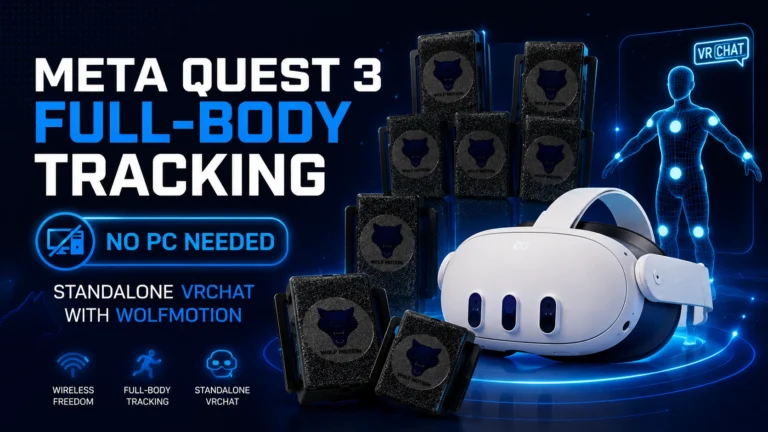
Yes, full-body tracking can work with Quest standalone using the right setup.
That is important because not every Quest user has a gaming PC, and not everyone wants to build a full PCVR setup just to try FBT.
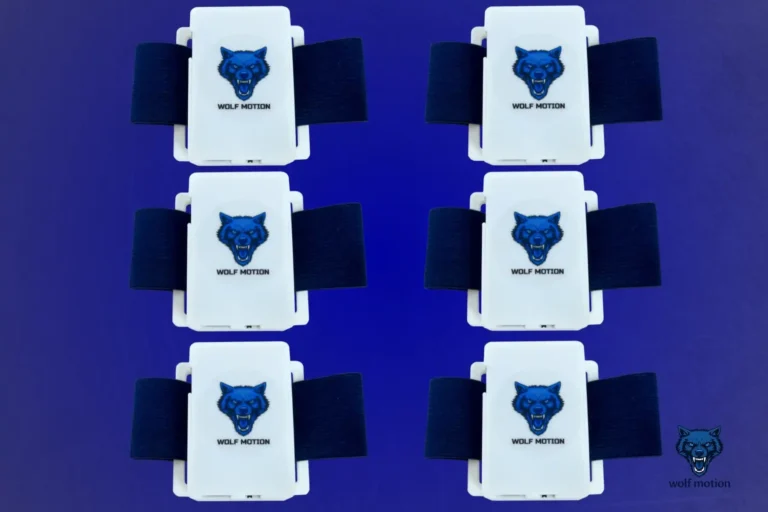
WolfMotion trackers can be used with both PCVR and Quest standalone setups. For standalone Quest users, we have a setup guide linked in our Discord under #helpful-videos.
That means Quest users can still explore full-body tracking without needing base stations or a high-end PCVR setup.
How Many Trackers Do You Need?
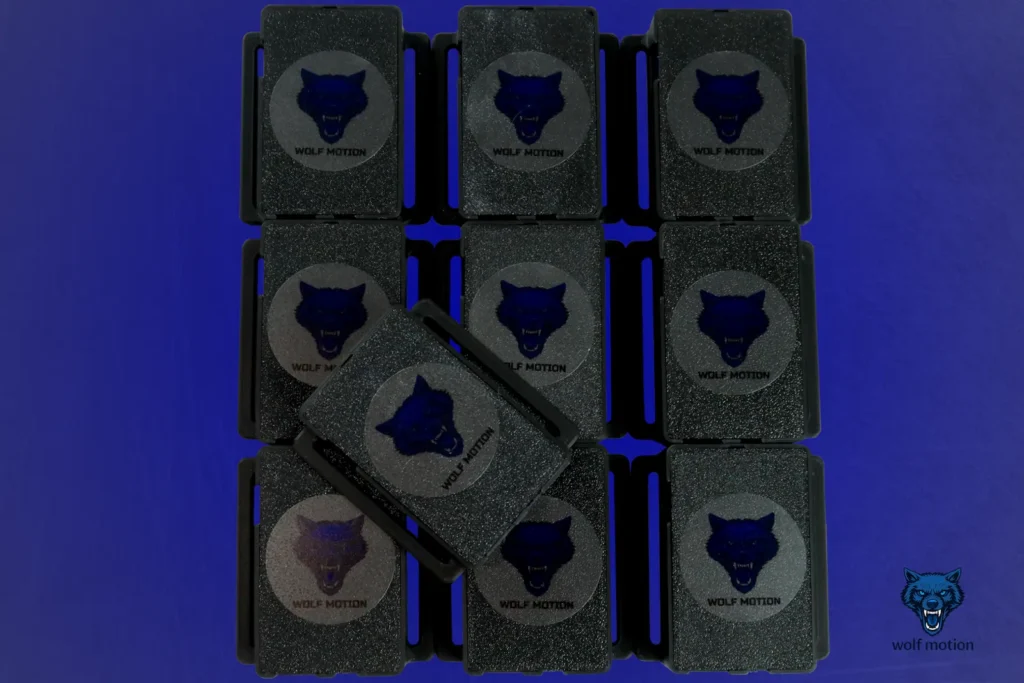
The right number of trackers depends on how you use VR.
For most people, 6 trackers is the best starting point. It gives you the core full-body tracking experience without making the setup too complicated.
If you want fuller arm movement, 8 trackers adds elbow tracking.
If you want the most expressive setup, 10 trackers adds feet tracking too, not just ankle tracking.
Quick guide:
6 trackers: best starter setup for VRChat full-body tracking
8 trackers: adds elbow tracking for fuller arm movement
10 trackers: adds elbow and feet tracking for maximum expression
For a deeper breakdown, read our guide: How Many Trackers Do You Need for VRChat Full-Body Tracking?
WolfMotion Full-Body Trackers
WolfMotion trackers are built for people who want affordable, wireless, SlimeVR-compatible full-body tracking for VRChat and virtual reality.
They are made for players who want more presence without needing base stations or an expensive lighthouse setup.
Whether you are hanging out in VRChat, dancing, streaming, creating content, or building a stronger avatar identity, full-body tracking makes your movement feel more alive.
That is the real point.
Not just more trackers.
More presence.
Explore WolfMotion full-body tracking kits and choose the setup that fits how you move.
The Future of VR Is Physical Presence
The future of VR gaming will not be defined only by better headsets.
Sharper displays matter. Better graphics matter. But the next leap is physical presence.
Players want their digital bodies to move like their real ones. They want posture, rhythm, gesture, and personality to come through naturally.
SlimeVR is not the most expensive or most perfect full-body tracking system. That is exactly why it matters.
It makes full-body tracking feel less like a luxury accessory and more like something regular VR players can actually explore.
For social VR players, creators, dancers, roleplayers, and anyone tired of being a pair of floating hands in a digital world, SlimeVR-style tracking is one of the most interesting steps toward a more embodied future.